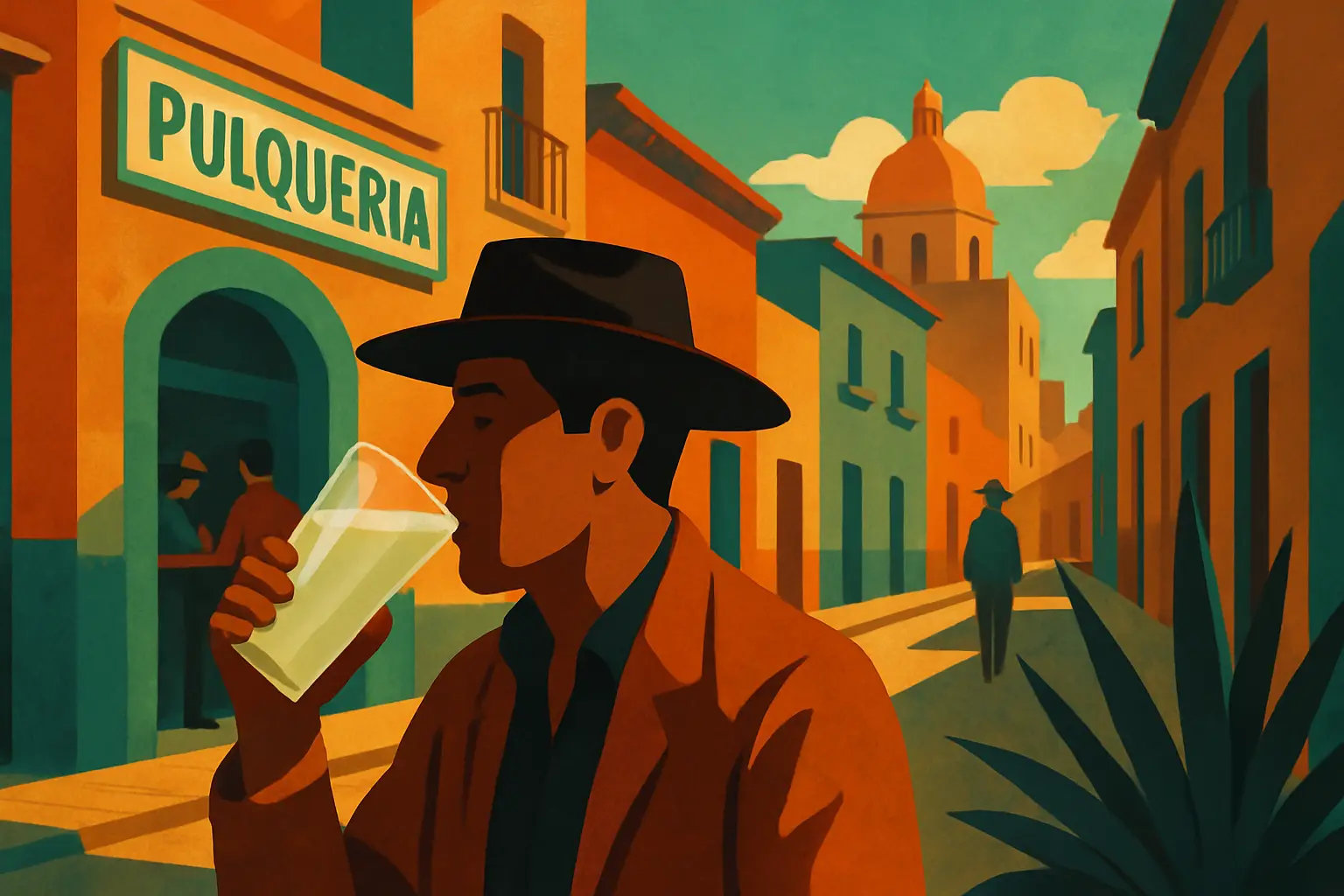
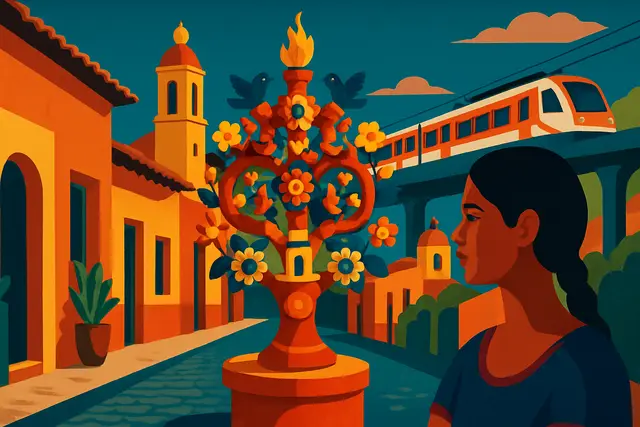
Pulque is the fermented sap of the maguey plant — a giant agave that takes 10 to 12 years to mature before a tlachiquero can scoop the sweet aguamiel from its hollowed heart. Left alone for a few hours, the sap ferments naturally into a milky, slightly sour, lightly fizzy drink with about 4 to 6 percent alcohol. It is older than tequila, older than mezcal, older than the Spanish conquest. The Mexica drank it from clay jícaras 2,000 years ago, and modern pulquerías in Centro still pour it the same way.
Made from maguey sap (aguamiel), not distilled
About the strength of strong beer
Texture is creamy, almost yogurt-like — that is normal
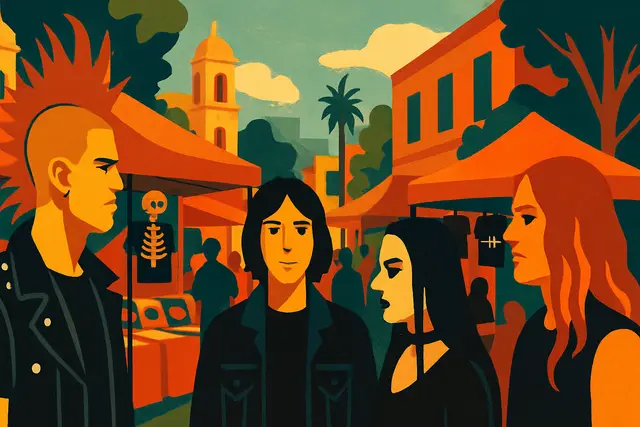
In the 1900s, brewers ran a smear campaign claiming pulque was fermented with feces (it is not — it is fermented with airborne yeasts). Beer won the cities, pulquerías closed by the hundreds, and the drink retreated to small rural towns in Hidalgo, Tlaxcala, and the State of Mexico. Then around 2010 a new generation of bartenders, students, and chilango regulars in Roma and Centro started showing up at the surviving pulquerías — places like Las Duelistas on Aranda 28 — and the scene quietly came back to life. Today you can find a clean, friendly pulquería within walking distance of almost any tourist neighborhood.
Get short, interactive stories that make each place easier to remember while you travel.
When you sit down, you will see two columns: pulque natural (the plain, milky base) and curados (pulque blended with fruit, oats, nuts, or vegetables). First-timers almost always prefer a curado — the sweetness softens the funky, yeasty edge of natural pulque. The classic flavors to try first are guayaba (guava), avena (oats with cinnamon, like horchata), apio (celery, surprisingly good), piñón (pine nut), and fresa (strawberry). Order a small glass — un chico — to start. If you like it, scale up to a tarro (mug) or a litro to share.
Start with a curado, not natural
Guayaba, avena, and piñón are the safest bets
Order un chico (small) on your first round
These are the spots most chilangos will send you to, all reachable by Metro or a short Uber. They are open early — many start pouring at 11am or noon — because pulque is traditionally a daytime, lunch-pairing drink, not a late-night one.
Pulquería Las Duelistas — Aranda 28, Centro Histórico. Open since 1912. Murals of Aztec gods, around 40 rotating curados, mostly local crowd.
Pulquería Los Insurgentes — Insurgentes Sur 226, Roma Norte. Three floors, live music, the easiest first stop for travelers staying in Roma or Condesa.
Las Hijas de la Tostada — Tonalá 54, Roma Norte. Smaller, food-focused, great for pairing pulque with tostadas de atún or aguachile.
La Hija de los Apaches — Doctor Claudio Bernard 149, Doctores. A working-class classic with danzón music on certain nights and zero pretension.
La Pirata — República de Cuba 79, Centro. Tiny, scrappy, decorated like a cantina from a 1940s film.
Pulque was sacred. The Mexica believed it was the blood of Mayahuel, the goddess of the maguey, whose 400 rabbit children — the Centzon Totochtin — each personified a different shade of drunkenness. Drinking pulque was so powerful it was usually restricted to priests, elders over 60, pregnant women, and warriors before battle. Get drunk in public without a ritual reason and the punishment was severe — sometimes death. The drink kept its mythic weight for centuries, which is partly why pulquerías today still feel a little like temples: muraled walls, a long wooden bar, and an unspoken sense that you are participating in something old.
Pulquerías are friendly but they are not bars in the American sense. There is no bottle service, no cocktail program, and no one is performing for you. Find a table or sit at the bar. Order at the counter or wait for the cantinero. Tip a few pesos per round, not 20 percent. Talking to strangers at the next table is normal and welcomed — pulque culture is communal. One thing to know: pulque does not travel well, so do not try to take a bottle home unless the spot specifically sells sealed sparkling versions. The drink is alive, and it tastes best the day it is poured.
Cash only at most spots — bring small pesos
It is fine to order food from the street outside and bring it in
Do not photograph other patrons without asking
Yes — at the established pulquerías listed above. Modern spots in Centro and Roma use food-safe fermentation, refrigeration, and clean glassware. The myth that pulque is fermented with anything other than yeast is, to be very clear, a 100-year-old beer-industry lie. The bigger thing to know is that pulque is a live ferment with active probiotics, so if you have a sensitive stomach, start with one small glass and see how you feel before going for a litro. The altitude in Mexico City (over 2,200 meters) also makes any alcohol hit harder, so pace yourself the way you would on day one of a ski trip.
Best window is between 1pm and 6pm, especially Friday through Sunday when pulquerías fill up with locals on long lunches. Expect to pay around 25 to 50 pesos for a chico (small glass), 60 to 90 pesos for a tarro, and 120 to 200 pesos for a full liter to share. That is roughly 1.50 to 12 USD depending on what you order. Bring cash, bring a friend, and leave room in your afternoon — pulquerías have a way of turning a quick stop into three hours of conversation with whoever is sitting at the next table.