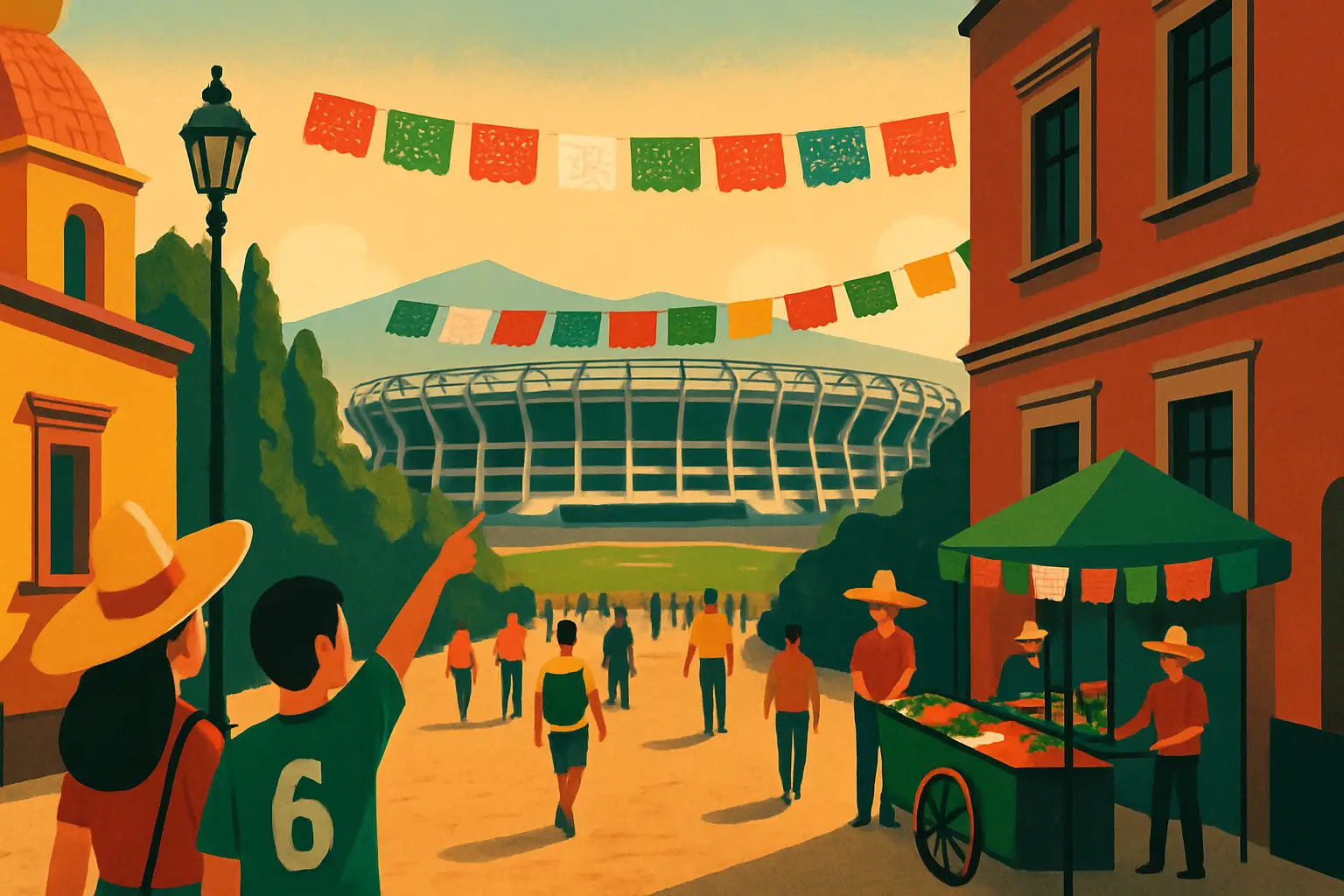
On June 11, 2026, Mexico vs. South Africa kicks off the 2026 FIFA World Cup at Estadio Azteca — the third time this stadium has hosted a World Cup opening ceremony. No other venue on Earth has done it once, let alone three times. In 1970 it crowned Pelé. In 1986 it staged Maradona's 'Hand of God' and his 'Goal of the Century' against England in the same match. In 2026 it opens the first 48-team tournament in history. For the city, this isn't a sporting event — it's a generational moment, and you can already feel it in the murals going up around Coyoacán and Tlalpan.
Opening match: Mexico vs. South Africa, June 11, 3 p.m. ET
Third opening ceremony hosted at the same stadium — a record
First World Cup with 48 teams across the US, Canada, and Mexico
You'll hear three names — here's the cheat sheet. Locals call it Estadio Azteca and always will. In March 2025, Banorte bought the naming rights, so its legal name is now Estadio Banorte. But FIFA bans commercial sponsors on stadium names during the World Cup, so on tickets, broadcasts, and signage during the tournament it's officially 'Mexico City Stadium.' All three refer to the same concrete giant in the Santa Úrsula Coapa neighborhood, south of the city, with a capacity of roughly 83,000. Five matches happen here: June 11, June 17, June 24, June 30, and July 5.
Official tournament name: Mexico City Stadium
Real name locals use: Estadio Azteca
Address: Calzada de Tlalpan 3465, Santa Úrsula Coapa
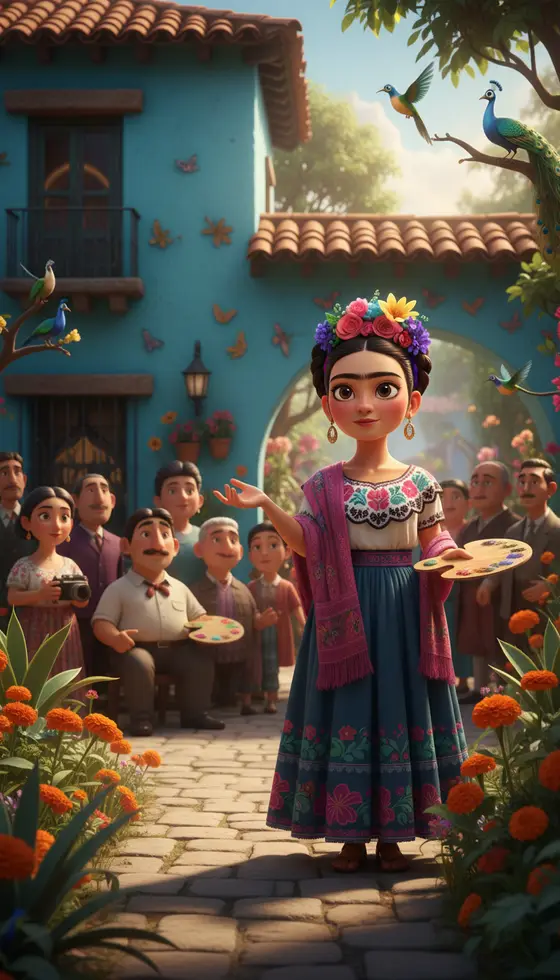
Get short, interactive stories that make each place easier to remember while you travel.
Don't stay next to the stadium — Santa Úrsula Coapa is a quiet residential zone with very few hotels or restaurants. Pick a base with character and use the metro on match day. Roma Norte and Condesa are the classic expat picks: leafy streets, world-class food, walkable bars, and roughly an hour from the stadium by Uber or transit. Coyoacán is the closest 'visitable' neighborhood to Estadio Azteca — about 25 minutes by car, plus you get Frida Kahlo's Casa Azul, the Mercado de Coyoacán, and a slower pace between matches. Centro Histórico puts you steps from the Zócalo, where the FIFA Fan Festival is expected to take over. A warning: hotel rates around June 11 have already tripled or quadrupled compared to a normal weekend, and Airbnb inventory in Roma and Condesa is thinning fast.
Best vibe + food: Roma Norte or Condesa
Closest to stadium: Coyoacán
Closest to Fan Festival: Centro Histórico
The smart move on match day is the Tren Ligero (Light Rail). Take Metro Línea 2 (the blue line) south to Tasqueña, then transfer to the Tren Ligero and ride three stops to 'Estadio Azteca.' It dumps you at the stadium gates, costs about 10 pesos, and runs reliably even when traffic on Calzada de Tlalpan is gridlocked. Uber will work but expect heavy surge pricing in the two hours before kickoff and total chaos for 30–45 minutes after the final whistle. FIFA has confirmed dedicated fan-transport shuttles from designated hubs — check your match-day email the day before. From Roma Norte, give yourself 90 minutes door-to-gate. After the match, the locals' trick is simple: stay in your seat, take photos, and let the first wave clear before you head out.
Tren Ligero stop 'Estadio Azteca' is the easiest route
Allow 90 minutes from Roma Norte to your seat
Stay in your seat 20 minutes after the final whistle
If you don't have a ticket, the city itself becomes the stadium. The official FIFA Fan Festival is expected at the Zócalo and a second site near Bosque de Chapultepec — both will have giant LED screens, food vendors, and free entry. For a more local feel, head to a cantina: La Opera in Centro (where Pancho Villa famously shot a hole in the ceiling) and Salón Tenampa in Plaza Garibaldi turn into roaring screens-and-mariachi parties on Mexico match days. Roma Norte's Patrick Miller (a legendary high-energy bar) and the rooftop at Hotel Carlota will be packed. For a quieter watch, Polanco's sports bars on Avenida Presidente Masaryk skew expat and English-speaking. After Mexico wins, head to the Ángel de la Independencia on Reforma — that's the city's traditional celebration point, and it will be a sea of green-white-red.
Free official screens: Zócalo and Chapultepec Fan Festivals
Most fun cantinas: La Opera, Salón Tenampa
Post-victory ritual: Ángel de la Independencia on Reforma
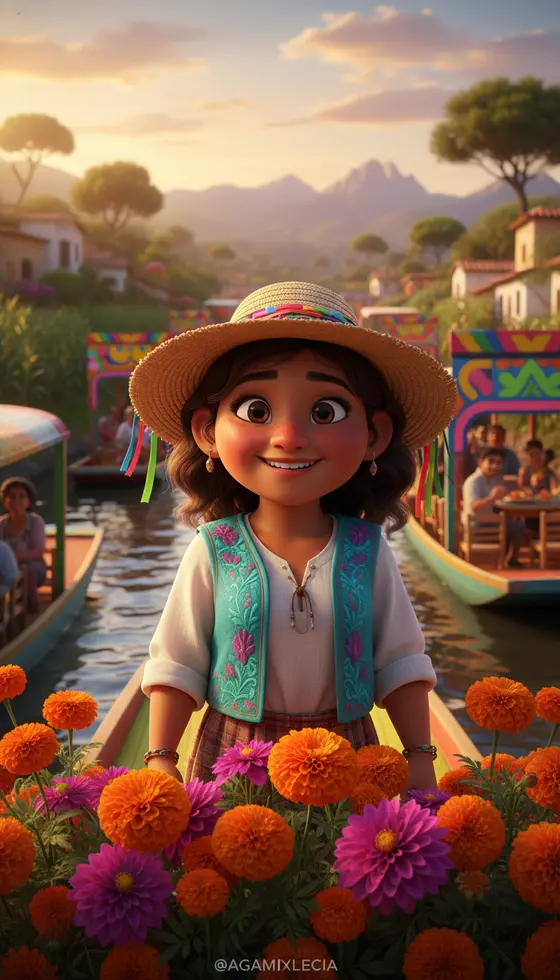
If you flew in for one match, stay 4–5 days and turn it into a proper trip. A solid rhythm: Day 1 — Centro Histórico walking day (Zócalo, Templo Mayor, Palacio de Bellas Artes). Day 2 — Teotihuacán pyramids in the morning, Basílica de Guadalupe on the way back. Day 3 — Coyoacán: Frida Kahlo's Casa Azul, the market, and Mercado de Antojitos for lunch. Day 4 — Xochimilco trajinera in the morning, San Ángel and the Saturday Bazaar in the afternoon. Day 5 — Roma Norte food crawl: Contramar for the tuna tostada, Lardo for breakfast, Licorería Limantour for a final mezcal. Mix in a lucha libre night at Arena México on a Tuesday or Friday — Mexico City's other great spectator sport, and the perfect appetizer for the World Cup.
Must-do day trip: Teotihuacán pyramids
Must-eat: tuna tostada at Contramar (Roma Norte)
Must-experience: a lucha libre night at Arena México
Yes, with the same common sense you'd use in any major world capital during a mega-event. The city is deploying additional Tourist Police across Centro, Roma, Condesa, Polanco, and the stadium corridor, with English-speaking officers in fan zones. The real risk during big crowds is pickpocketing and phone-snatching, not violence — keep your phone in a front pocket, use a crossbody bag, and don't film with your phone held loosely on the metro. Use Uber or DiDi instead of street taxis. Drink bottled or filtered water (not from taps), and pace yourself with the altitude — Mexico City sits at 7,350 feet, and dehydration plus mezcal plus 90 minutes of screaming is a real combination.
Use Uber or DiDi, not street taxis
Front-pocket phones in fan zones and metro
Hydrate hard — the altitude is no joke
You can absolutely get by with English in Roma Norte, Condesa, Polanco, Centro, and at the stadium itself — FIFA staff and most hotel and restaurant workers in tourist zones speak it well. Outside those neighborhoods, basic Spanish goes a long way: 'la cuenta, por favor' (the check, please), 'sin picante' (no spice), and 'gracias' will carry you. On payment: cards (Visa and Mastercard) work in restaurants, hotels, Uber, and most cafés. American Express is hit-or-miss. Always carry pesos for street tacos, mercados, tips, the metro, and small cantinas. Pull cash from ATMs inside bank branches (Banorte, BBVA, Santander) — they have better rates and lower skimming risk than airport or corner ATMs. A sneaky tip: tipping 10–15% in restaurants is expected, and waiters bring the card reader to your table — always.
English works in tourist zones; basic Spanish helps everywhere
Cards work widely — but always carry pesos
Use bank-branch ATMs, not corner machines