1. Who were the Aztecs (Mexica)?
“Aztec” is a popular umbrella term, but the people at the center of Mexico City’s origin story are often called the Mexica. They built a powerful city-state and a vast network of alliances and rivalries across central Mexico.
They’re often called MexicaThey became a major power in central MexicoTheir capital shaped the city you see today
2. The founding story: the eagle, the snake, and the cactus
According to legend, the Mexica searched for a sign: an eagle perched on a cactus. When they saw it on an island in Lake Texcoco, they founded Tenochtitlán — a city that would become legendary.
Myth + identityA city founded on a lakeA symbol that lives on in Mexico’s flag
3. Tenochtitlán: a city built on water
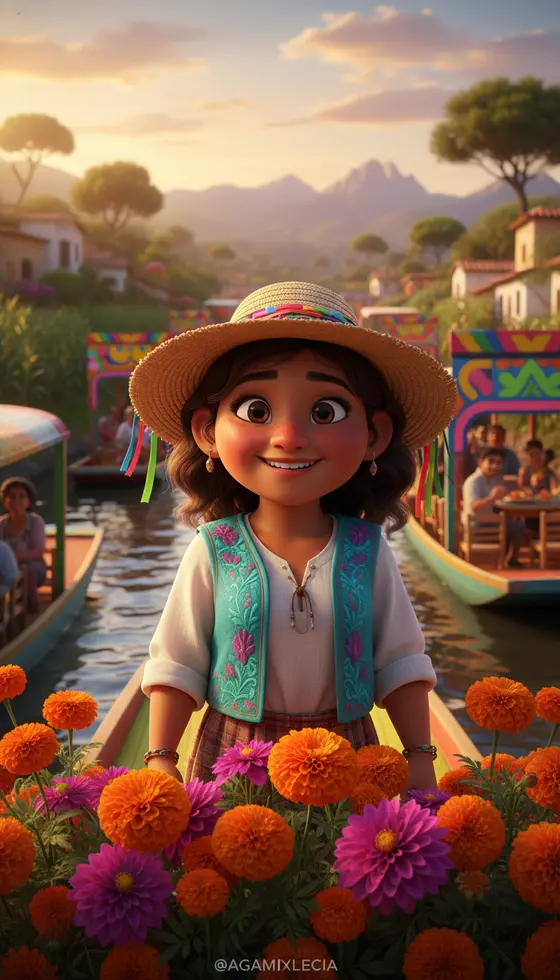
Tenochtitlán was engineered for life on a lake: canals, causeways, and clever farming systems like chinampas (“floating gardens”). Visitors centuries later described it as shockingly large and organized.
Canals and causeways connected the cityChinampas expanded farmlandIt was one of the great cities of its time
4. Temples, gods, and the sacred center
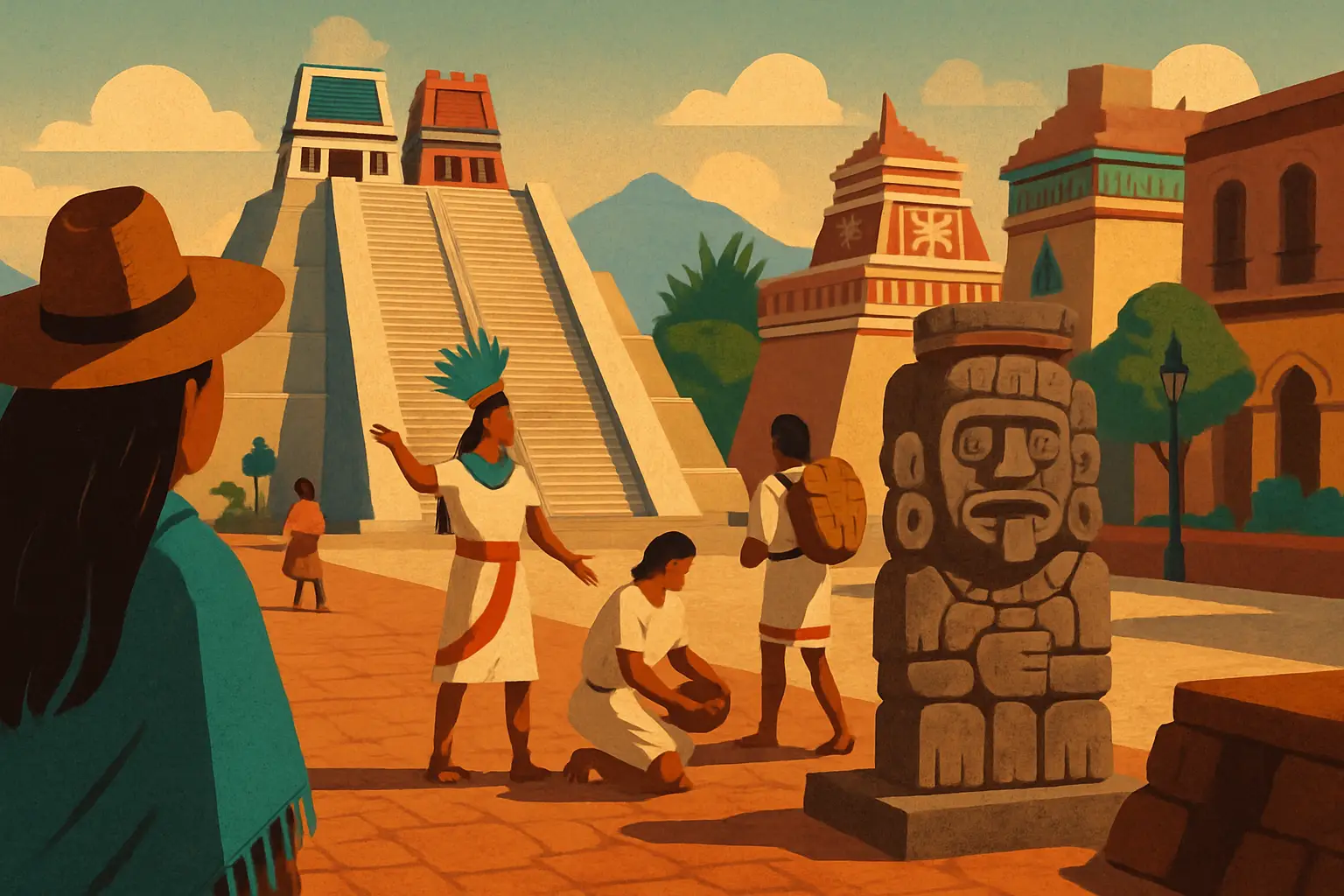
At the heart of the city stood the sacred precinct and major temples, including the Templo Mayor. Religion shaped politics, festivals, and urban design — with rituals meant to keep the world in balance.
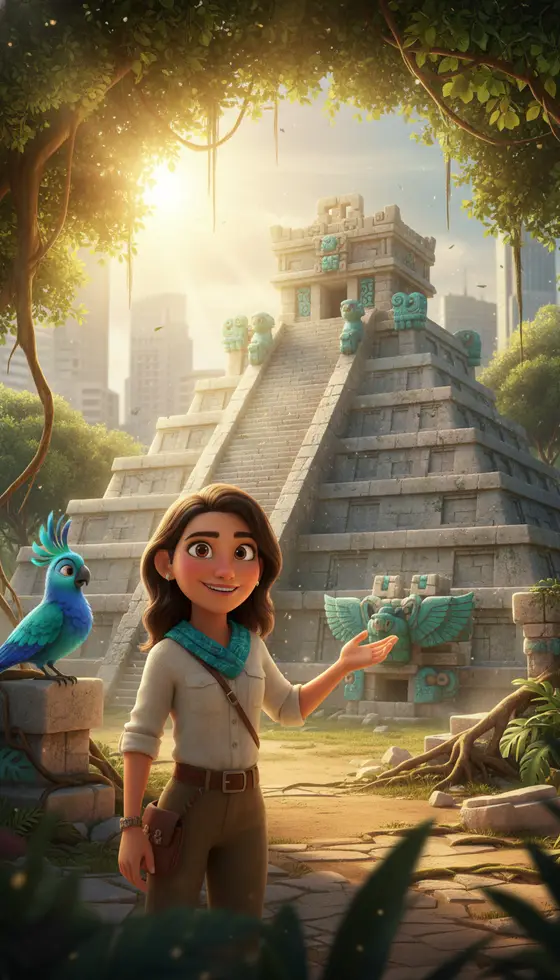
Temples were central to city lifeReligion shaped civic identityThe sacred center still exists beneath downtown
5. Daily life: markets, trade, and community
Life wasn’t only temples — it was also markets, crafts, trade routes, and daily routines. Large marketplaces connected people across regions and helped Tenochtitlán thrive as a hub.
Markets were massive and organizedTrade connected many regionsUrban life was structured and busy
6. What happened after the conquest — and why it still matters
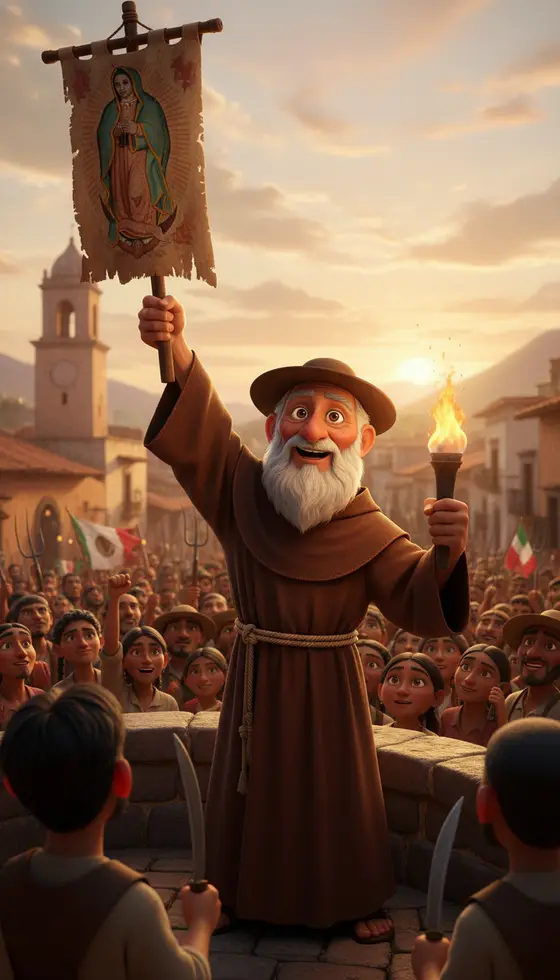
After the Spanish conquest, much of Tenochtitlán was destroyed, and Mexico City was built on top of it. That means modern CDMX still carries layers of the Mexica world beneath its streets — in ruins, symbols, and place names.
Mexico City was built over TenochtitlánRuins remain in the historic centerThe legacy is visible in symbols and culture